Grain to Glass,Done With Intent
J.P. Wiser’s whisky is made by selecting high-quality grains, brewing and fermenting the mash, distilling the spirit, aging it in oak casks, then draining, blending, and bottling. Each step is carried out in Windsor, Ontario, with decisions made over time to shape flavour and consistency.
Crafting great whisky is not quick, and it is not easy. Every bottle reflects choices made by a dedicated team who rely on each other’s expertise. From selecting ingredients through to blending and bottling, the process is shaped by experience, collaboration, and care.
Our whisky begins with a simple idea: quality at the end depends on decisions made at the beginning. Grain, yeast, water, time, and people all play a role, and none are treated as interchangeable. Each stage builds on the one before it, guided by judgment as much as by process.

The process, step by step
01
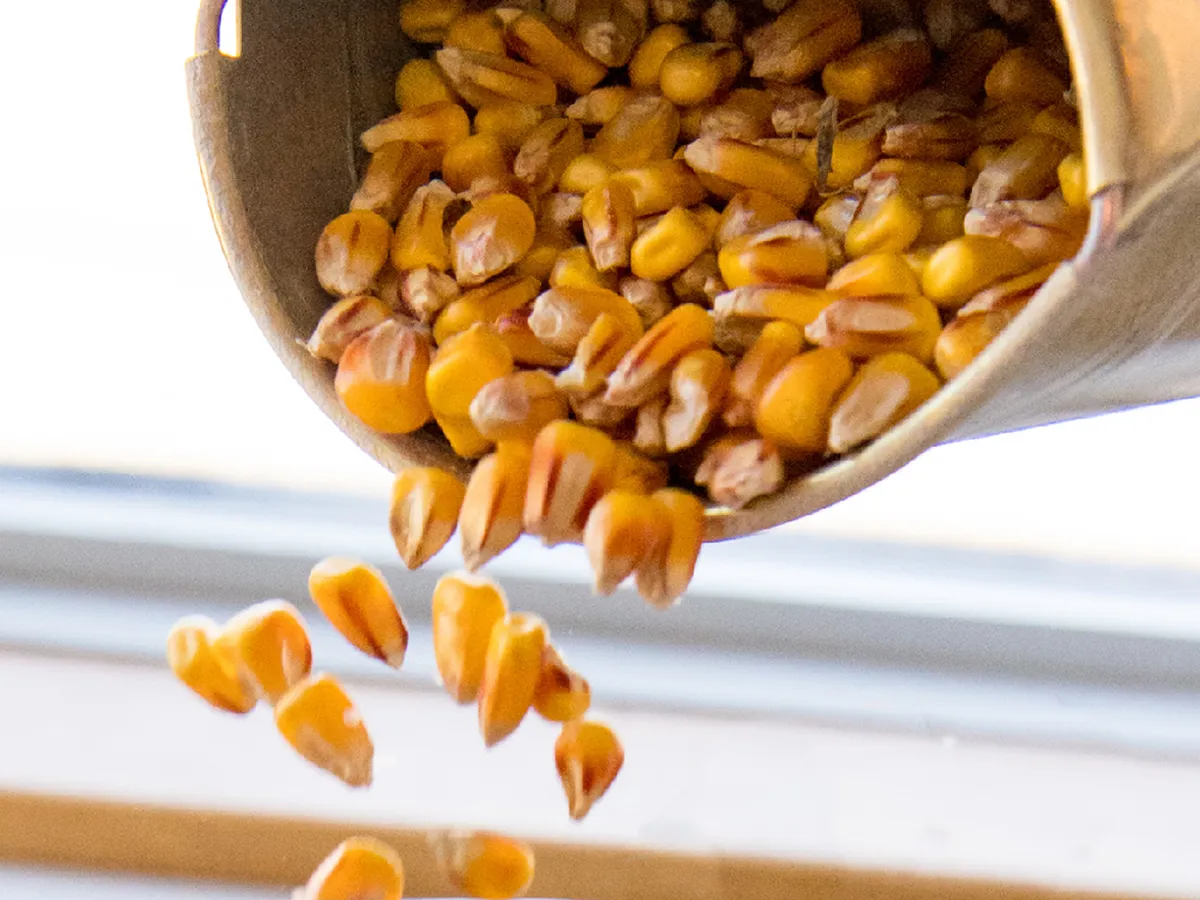
Select Grains
The building blocks of our whisky are simple, yet extremely important. Grain, yeast, and water form the foundation of every expression. We dedicate significant time and attention to ingredient quality, including inspecting and smelling each batch of grain before it enters production. Starting with quality ingredients sets the standard for everything that follows.
02
Brewing
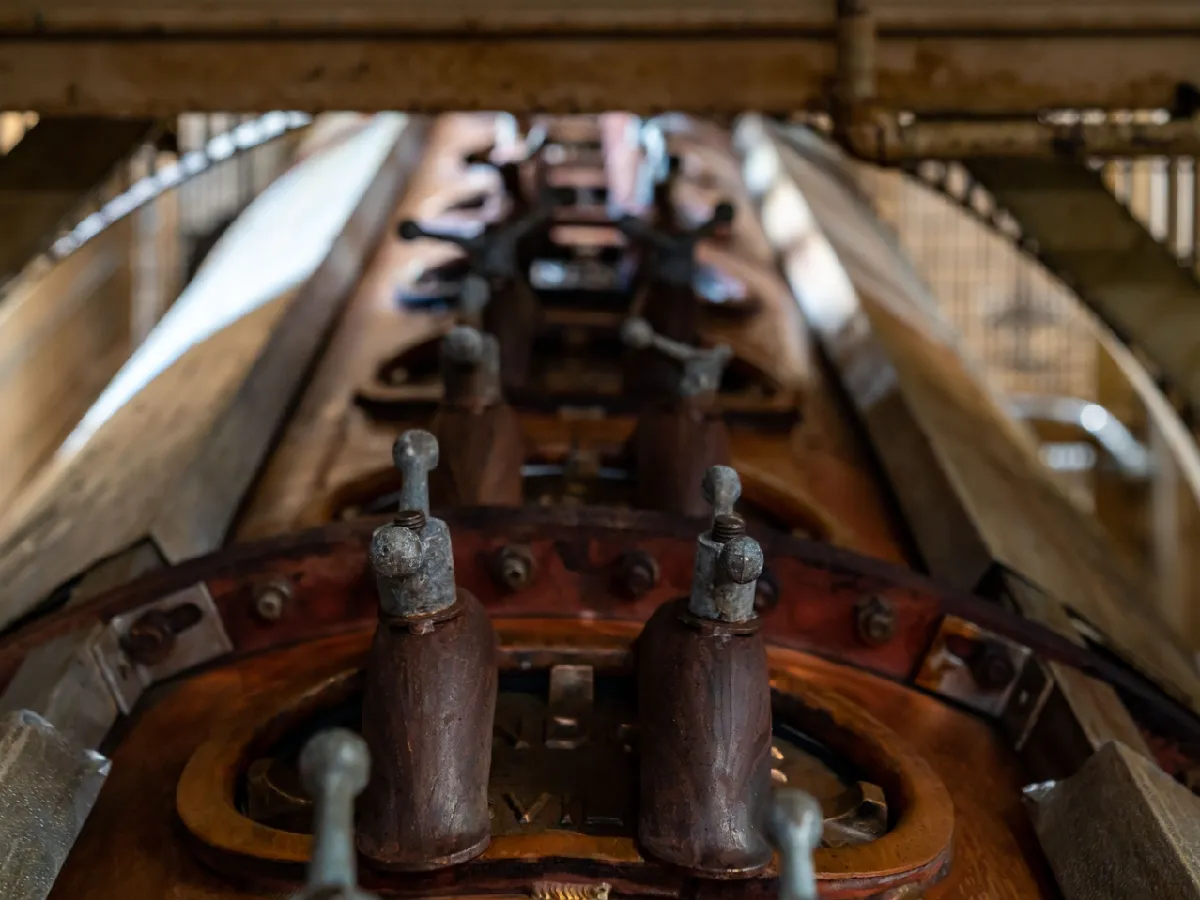
Once our grains are confirmed to be of the highest quality, they are prepared for transformation. The grains are milled, mixed, and cooked so that starches can break down and sugars become available for fermentation. Yeast plays a critical role at this stage, as it converts sugars into alcohol and contributes significantly to flavour. The choices made here have a lasting impact on the character of the whisky.
03
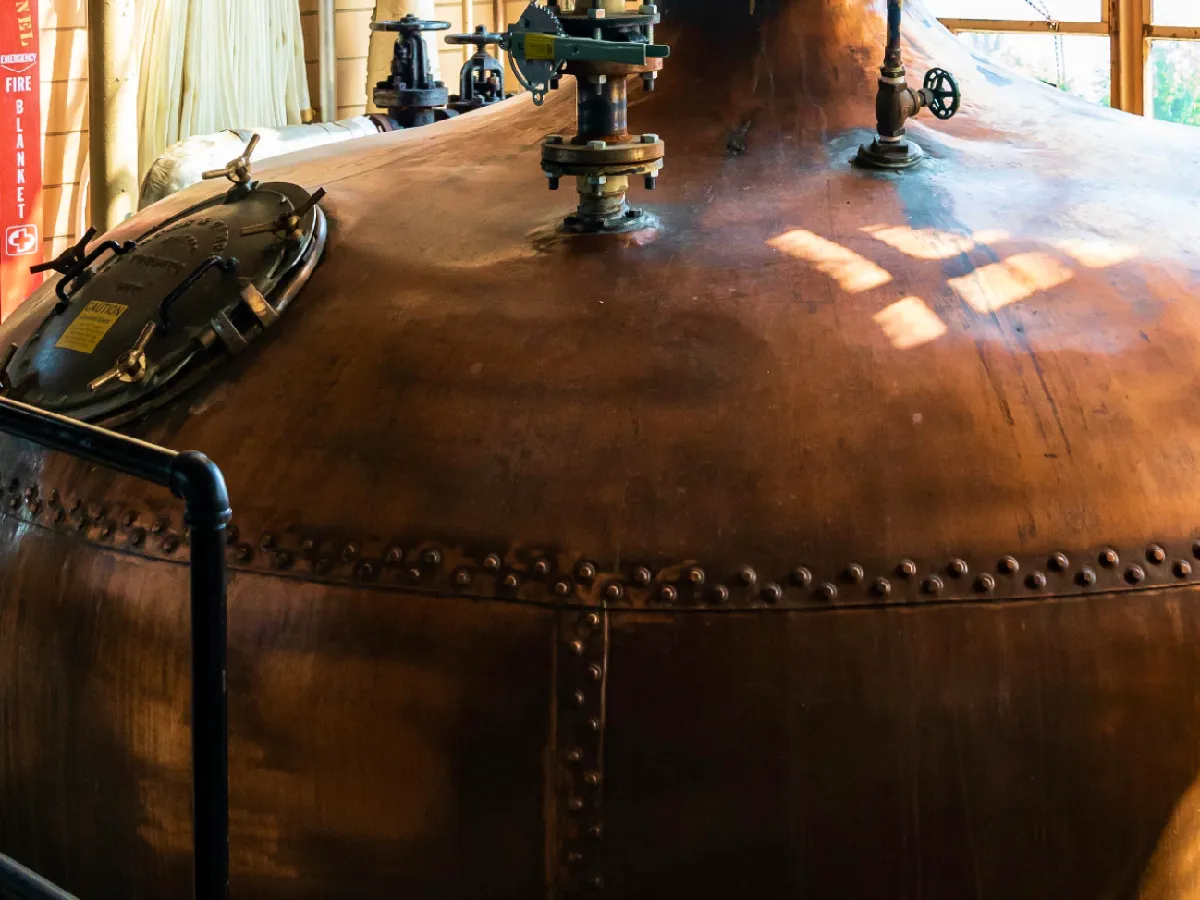
Distillation
Distillation is both precise and intuitive. While measurements and timelines matter, experience and judgment guide the final outcome. During distillation, flavours developed from grain and yeast are either amplified or refined. At J.P. Wiser’s, the Head of Distilling and the Master Blender work closely together to shape the spirit at this stage.
04
Maturing
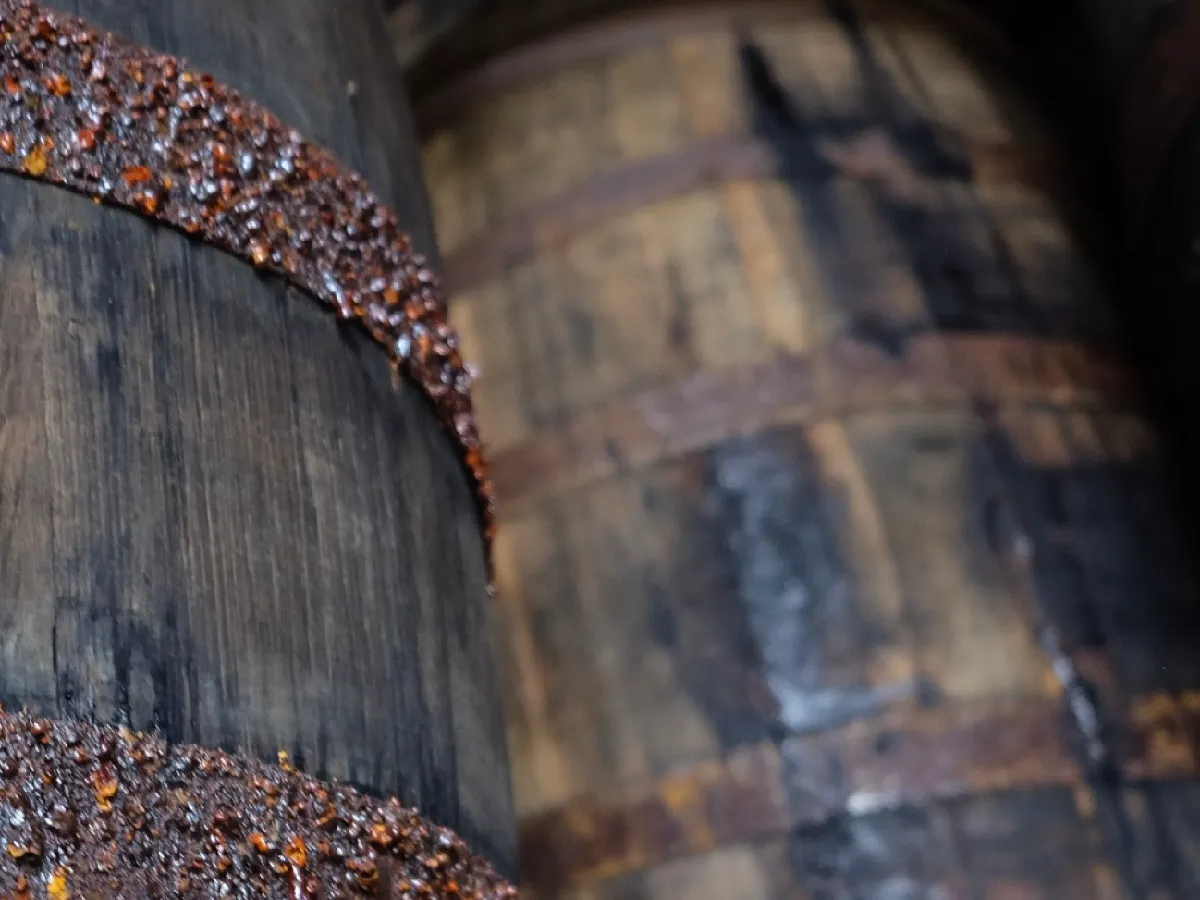
Canadian whisky must be aged for a minimum of three years in wooden casks, and many of our whiskies mature for longer. We use charred casks to draw flavour into the whisky while allowing unwanted elements to fall away.
At J.P. Wiser’s, our warehouses in Windsor, Ontario are not temperature controlled. As the seasons change, warmer summer temperatures and colder winter conditions cause the whisky and the wood to expand and contract. This natural cycle allows oxygen to interact with the spirit through the porous wood, supporting the reactions that develop flavour over time.
Together, time, wood, and the local environment contribute to the depth and complexity of the final whisky.
05
Drain & Fill
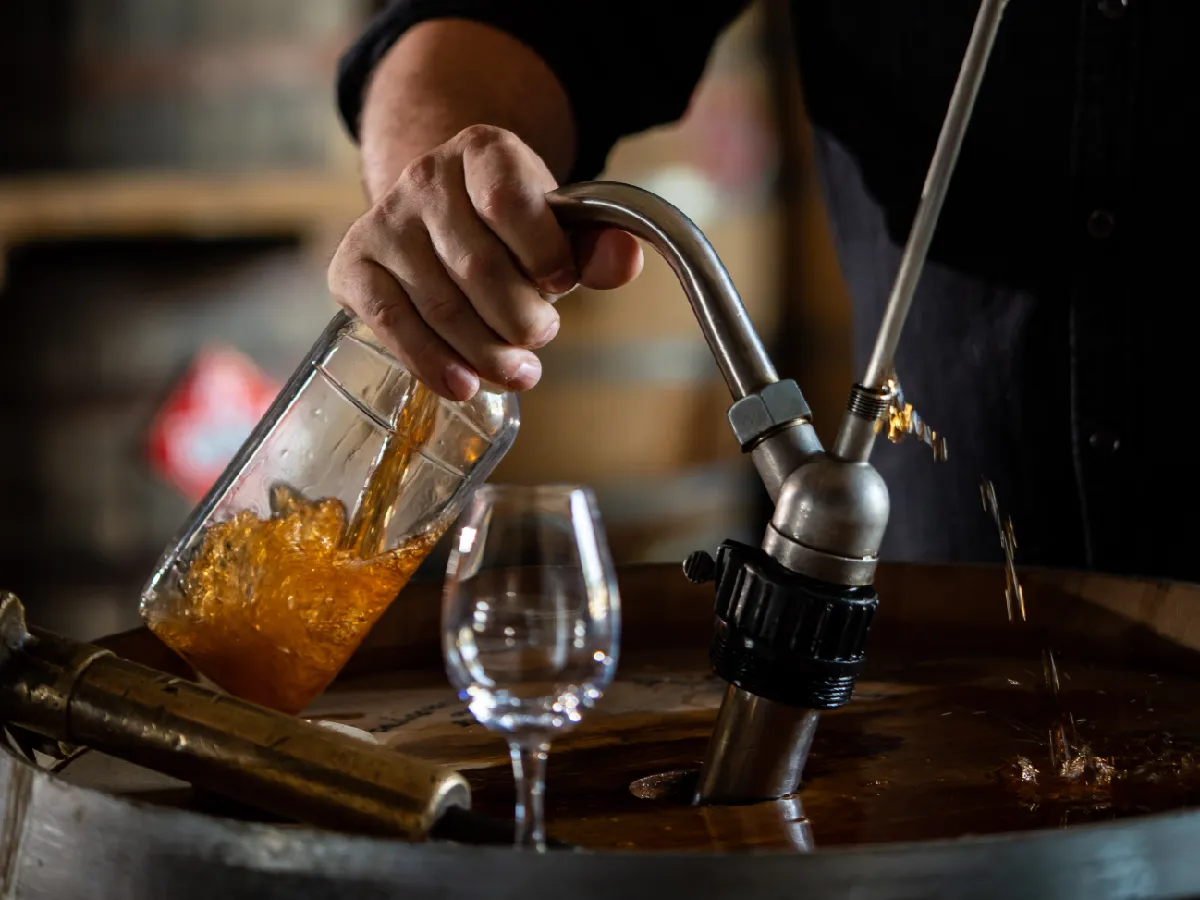
Managing casks requires careful timing and oversight. Barrels are drained and refilled with different whiskies at different points in their maturation to achieve the desired flavour profile. Barrels are reused intentionally, with each refill planned as part of a broader blending and maturation strategy. These decisions are made deliberately and under the guidance of the Master Blender, who monitors how each component develops over time.
06
Blending
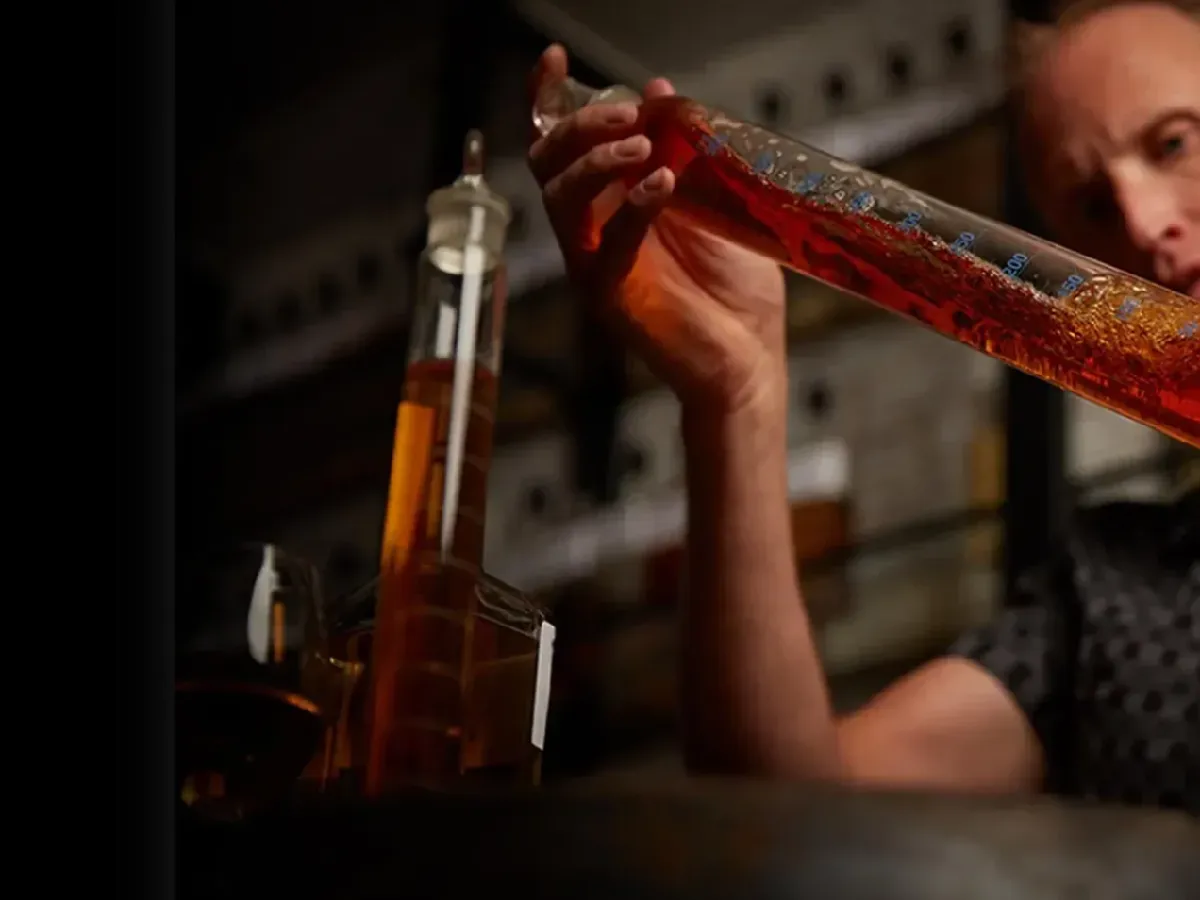
Blending sits at the centre of our process. Our Master Blender, Dr. Don Livermore, carries forward the tradition of quality, care, and craftsmanship that defines J.P. Wiser’s. By combining light distillates with more flavourful and spicy spirits, he shapes the balance and consistency of our whiskies. Blending also allows room for innovation, leading to new and diverse expressions while maintaining a recognizable house style.
07
Bottling
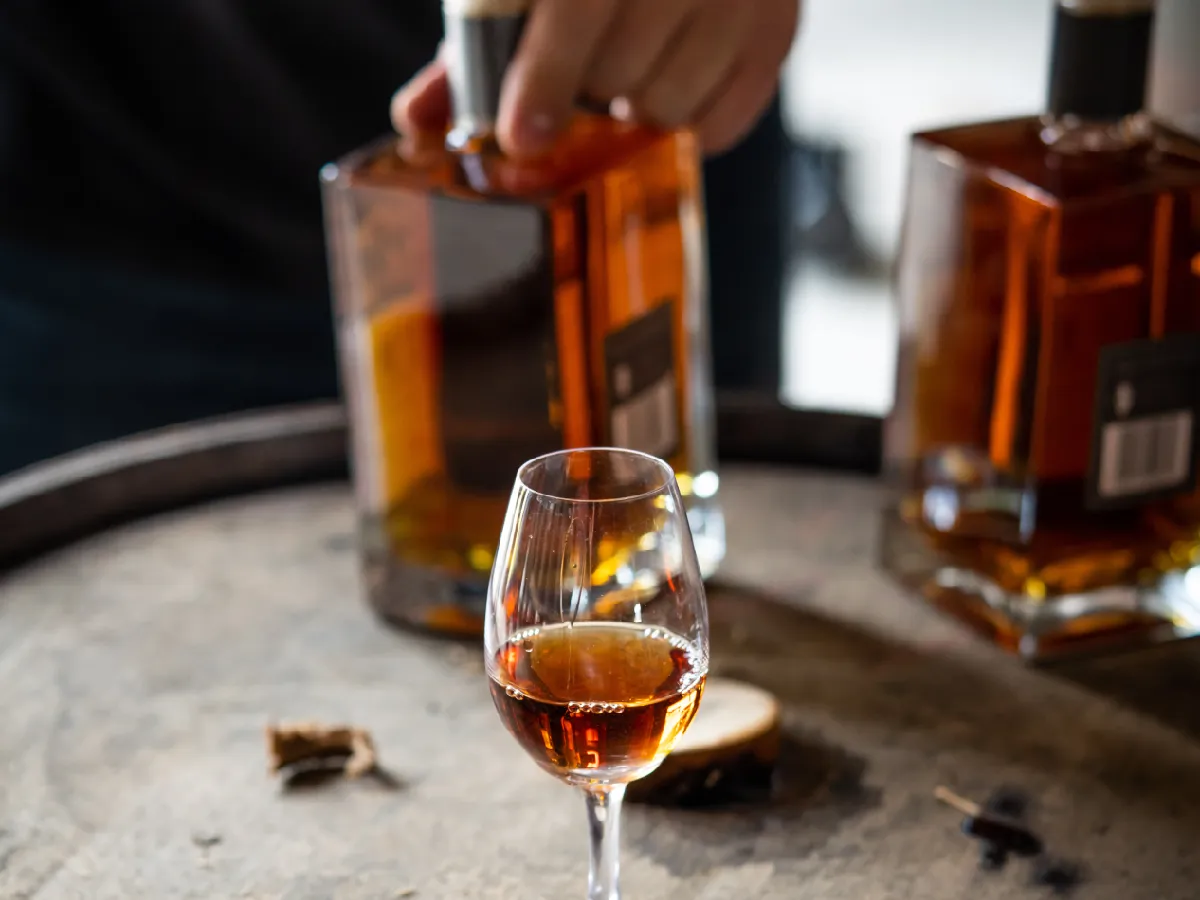
Before any whisky is bottled, it undergoes a final quality check. When patience has paid off and the whisky is ready, it is prepared for release. At that point, the most important test begins when it reaches your glass.
08
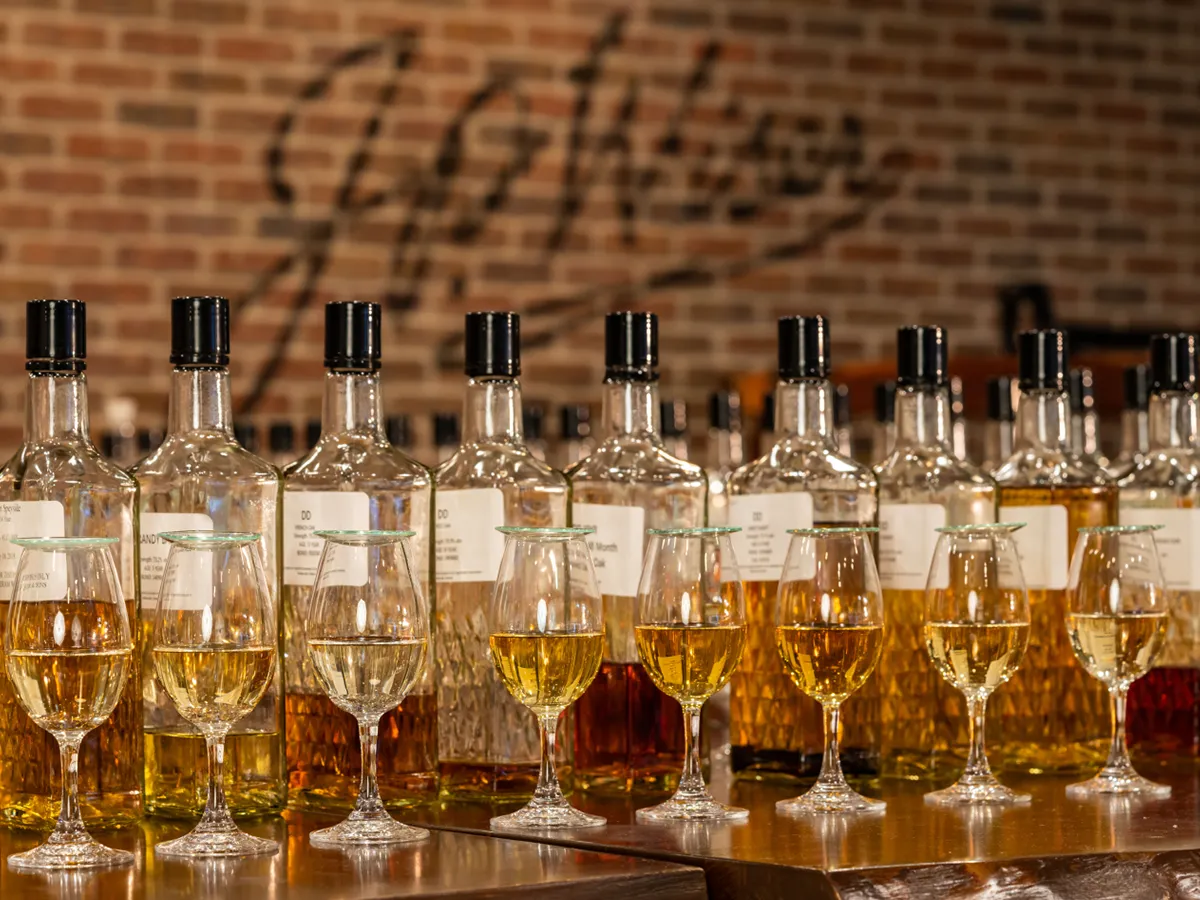
Quality and sensory analysis
We would not serve anything we have not tried ourselves. Every batch of J.P. Wiser’s whisky goes through a rigorous quality control process. Sensory analysis plays a central role, confirming consistency and character before any whisky is approved for bottling. Quality is not decided by a single individual, but through shared evaluation and experience.
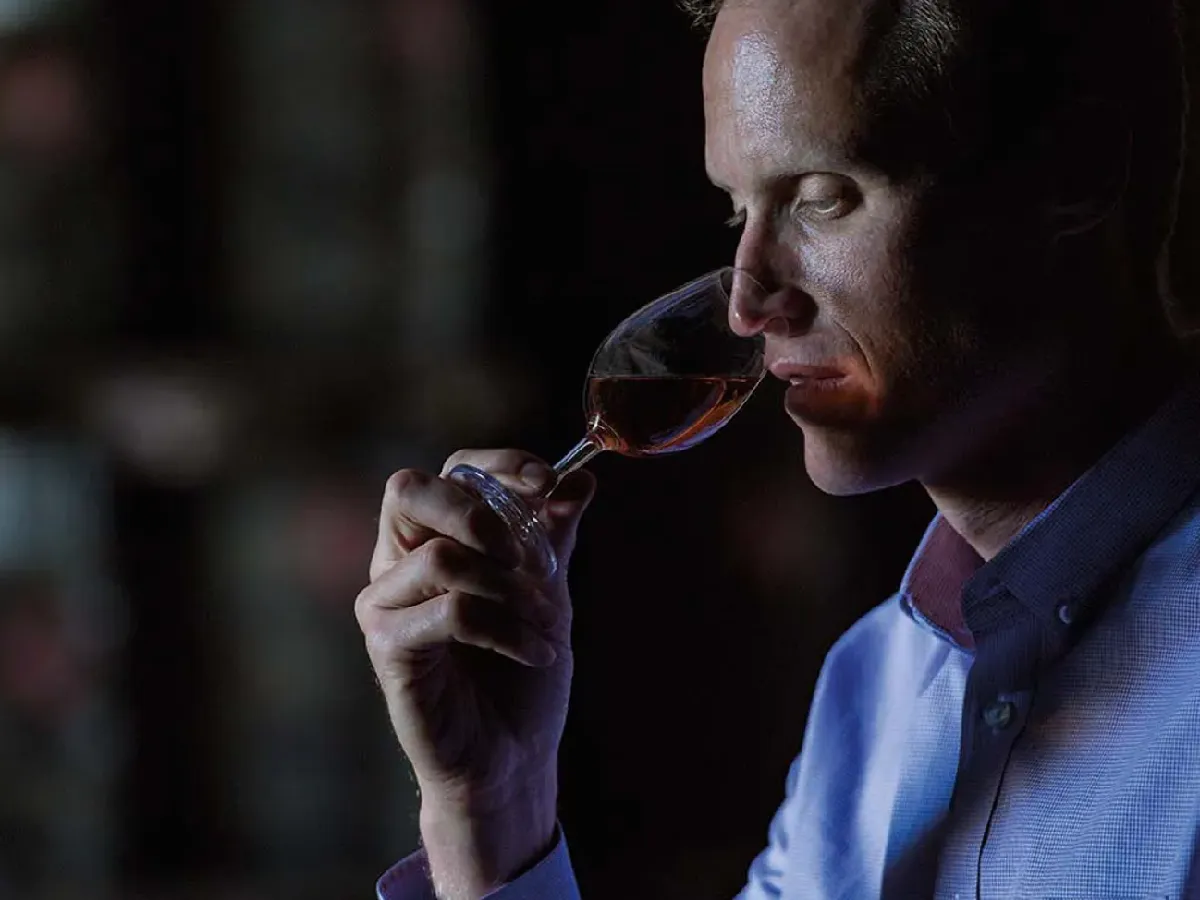

People behind the process
Before any whisky is bottled, it undergoes a final quality check. When patience has paid off and the whisky is ready, it is prepared for release. At that point, the most important test begins when it reaches your glass.
Our process in the glass
The result of this process is a range of Canadian whiskies defined by balance and versatility. Whether enjoyed neat, on ice, or in a cocktail, each J.P. Wiser’s expression reflects the choices made throughout its journey from grain to glass.