

You May Also Like

The History of Old Fashioned
Why Is the Old Fashioned One of the Most Famous Cocktails?
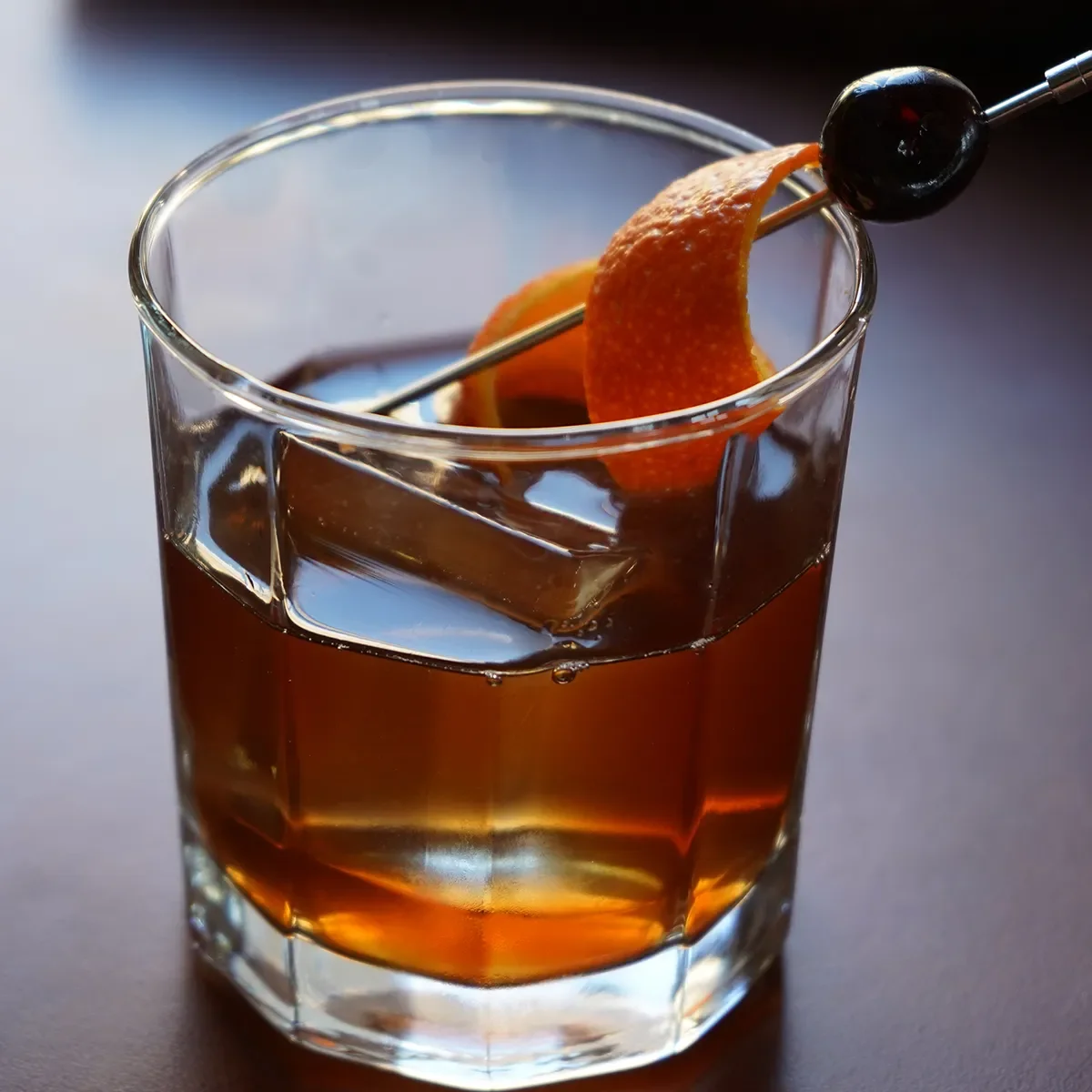
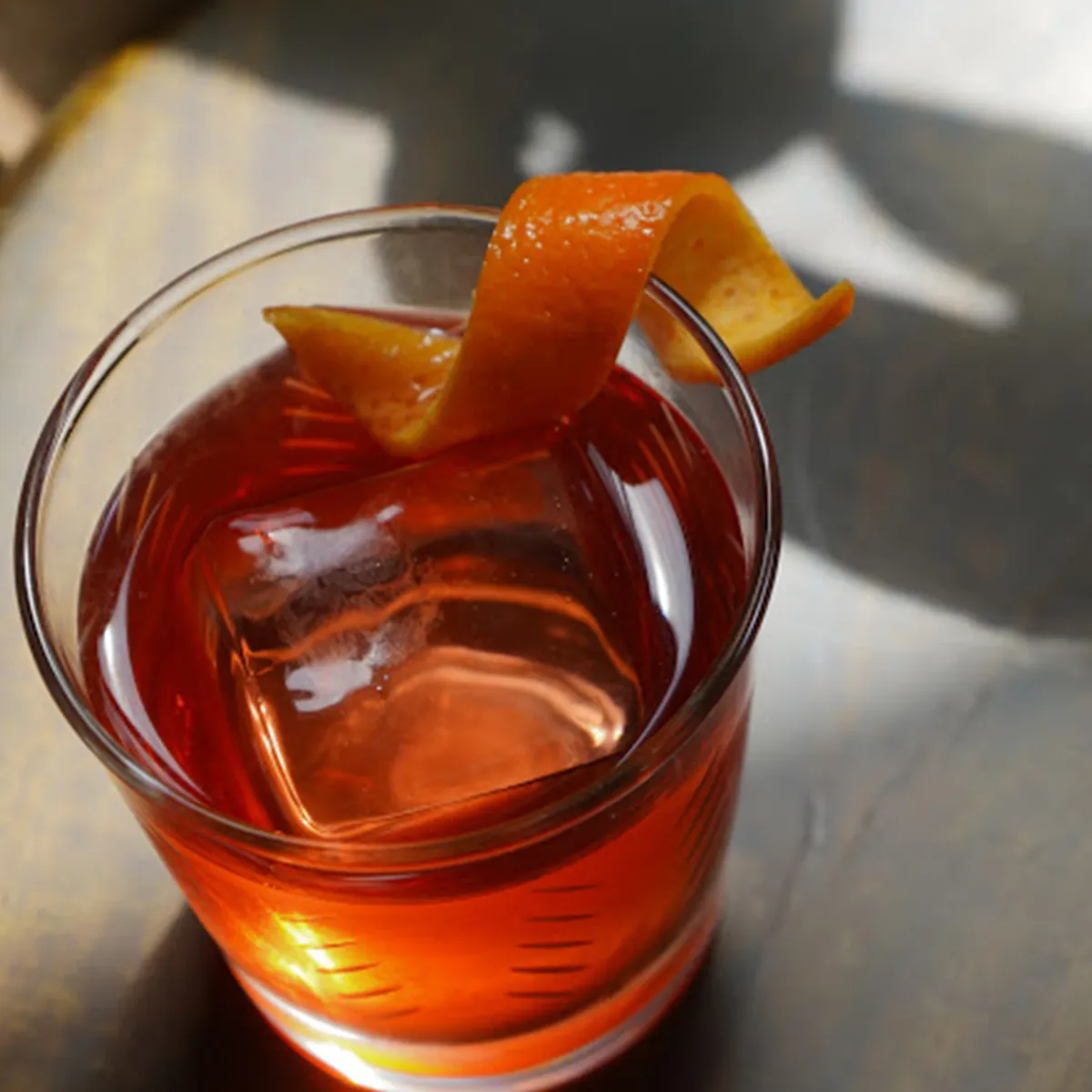
The Old Fashioned traces its roots back to the earliest definition of a “cocktail” in 1806: spirits, sugar, water, and bitters. Through the early 1800s, this simple formula was known as the “Whiskey Cocktail,” and it stayed that way until bartenders in the 1860s began adding liqueurs and new spirits to create more elaborate “Fancy” and “Improved” versions. Drinkers who preferred the original build pushed back, asking for their cocktail made “the old-fashioned way”, and the name stuck.
By the late 1800s, printed recipes such as Theodore Proulx’s 1888 Old-Fashioned Cocktail and George Kappeler’s 1895 Old Fashioned Whiskey Cocktail helped standardize the drink as we know it today. Prohibition later pushed the drink in a new direction, with muddled fruit added to mask the harshness of bootleg spirits, a style that persisted well into the 20th century. The classic (spirit-forward, balanced, and aromatic), returned to prominence with the modern cocktail revival.
How Did Canadian Whisky Influence the Old Fashioned Cocktail?
While the Old Fashioned developed in the United States, Canada played a significant role, especially during Prohibition. With American distilling shut down and quality spirits scarce, Canadian whisky, smuggled across the border in large quantities, became one of the most readily available options for making Old Fashioneds. Historians note it was likely among the most common whiskies used for the drink during that era. In fact, Canadian whisky was the #1 whisky sold in the USA from 1865 to 2010, and continues to be the #1 whisky sold across North America.
Canada’s early adoption of aging requirements and blending practices in the late 19th century also shaped the style of Canadian whisky known today, balanced, approachable, and ideal for a spirit-forward cocktail. That’s why modern high-quality Canadian whiskies, including J.P. Wiser’s 10 Year Old, work so naturally in an Old Fashioned.
A Canadian Twist: The Maple Old Fashioned
A modern “north of the border” variation swaps sugar or simple syrup for maple syrup. It isn’t historical, but it’s distinctly Canadian and highlights how well Canadian whisky pairs with warm, natural sweetness, making it a popular twist for drinkers looking to put a local stamp on a classic.