
You May Also Like
The History of DELUXE & GINGER
Why is the Rye and Ginger a Canadian Classic
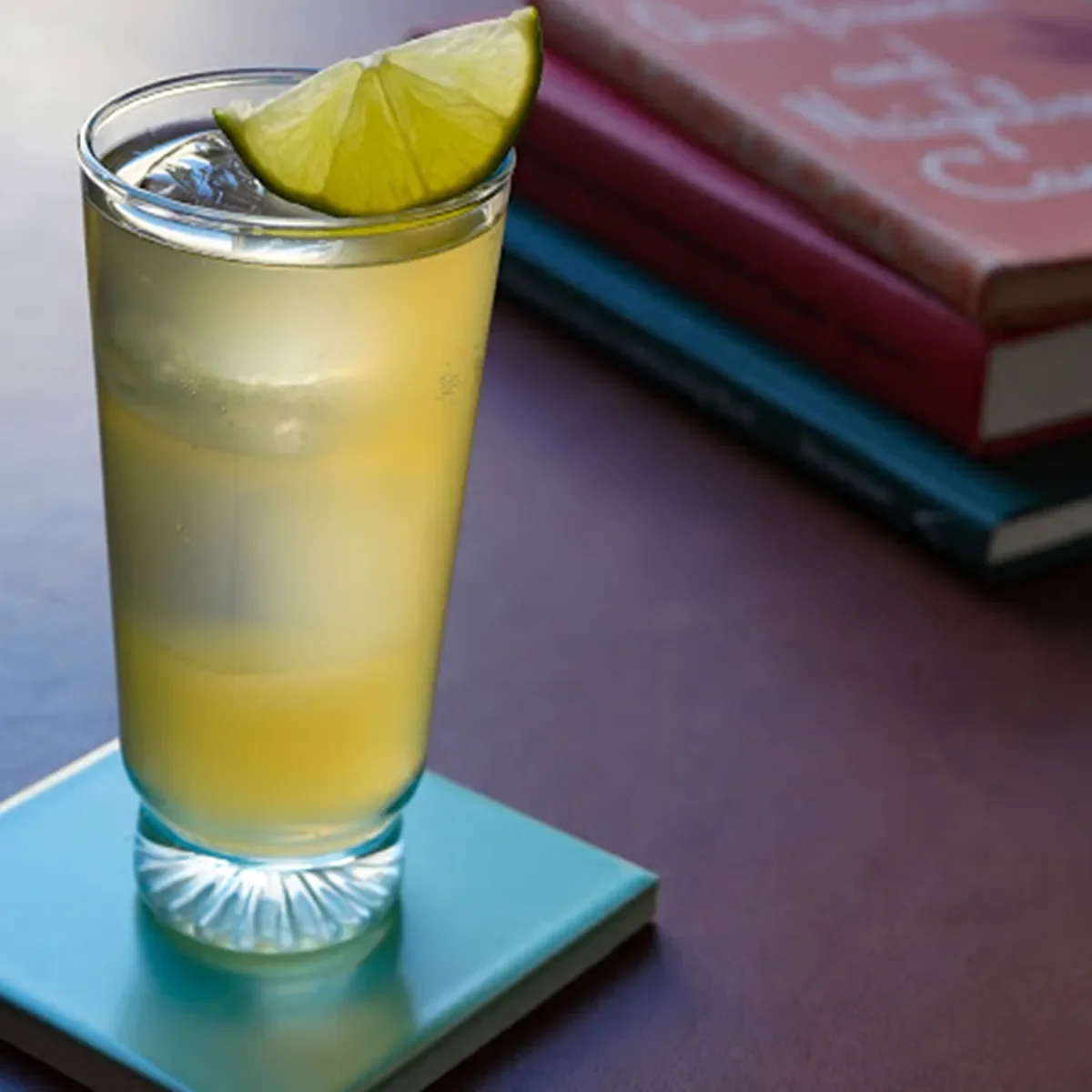
The Rye and Ginger may be one of the simplest whisky highballs you can order, but its roots run surprisingly deep. The highball format, spirit lengthened with a sparkling mixer over ice, first appeared in print in 1895, and ginger ale quickly became a bartender favourite for its spicy, warming snap. When you combine that with Canada’s long-standing love of rye whisky, the pairing became almost inevitable.
How Did Canada Help Shape the Whisky-and-Ginger Tradition
The drink became distinctly Canadian thanks to the mixer itself. In 1904, Toronto pharmacist John J. McLaughlin created Canada Dry Pale Ginger Ale, deliberately formulated to be crisper and less sweet than anything else on the market. By 1907, it was prestigious enough to be appointed to the household of the Governor General of Canada, and within a few years it had spread across North America as the ginger ale standard.
During the 1920s, its popularity exploded in the United States because it softened the taste of rough bootleg liquor. Ginger ale cemented itself as the go-to highball mixer, and the whisky-ginger combination entered mainstream cocktail culture on both sides of the border. By 1930, the pairing was iconic enough to land one of Hollywood’s most memorable film lines: Greta Garbo’s request for “a whisky, ginger ale on the side.”
Why a Rye and Ginger Still Works So Well Today
The Rye and Ginger endures because it delivers effortless balance: whisky warmth, ginger spice, clean effervescence, and nothing complicated standing in the way. It’s a refreshing, easy-drinking, crowd-pleasing highball that lets Canadian whisky’s character shine rather than hide it.
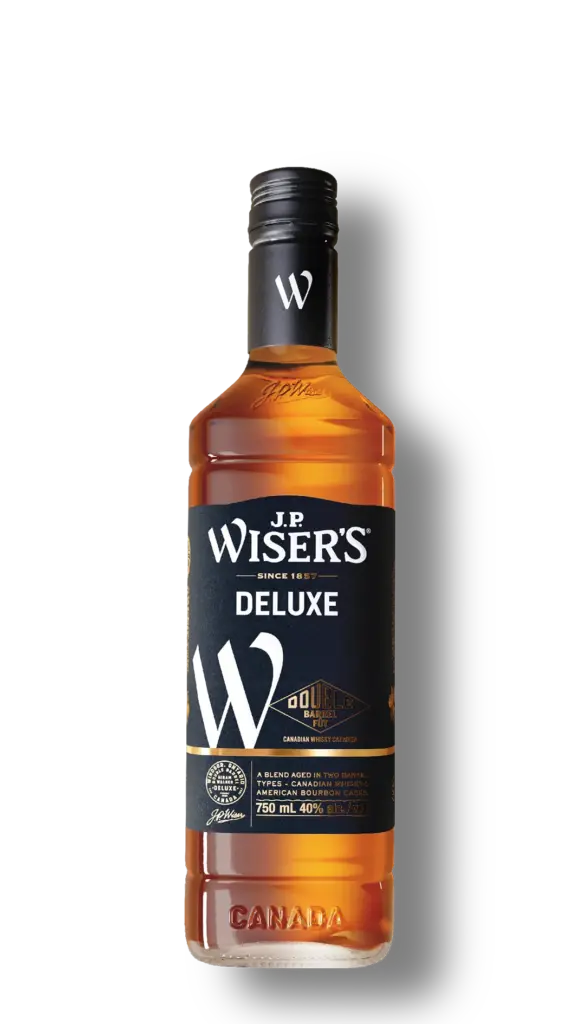
A smooth, approachable whisky like J.P. Wiser’s Deluxe brings oak, grain, and subtle sweetness that hold their own against the ginger ale’s snap, an ideal example of why Canadian whisky remains one of the best choices for a rye and ginger today.